Geofencing vs geotargeting: the difference, and when to use each
The short answer
Geotargeting is choosing where your ads run from an ad platform’s standard location menus: countries, regions, cities, postcodes, media markets, or a radius around a point. Geofencing is drawing your own boundary on the map, building an audience from the devices observed inside it during a set window, and continuing to reach that audience after it leaves. The practical difference is memory: geotargeting reaches everyone in an area while the campaign runs and forgets them the moment it stops; geofencing turns presence in a place at a time into a durable audience, typically retargetable for around 30 days.
Every ad platform offers geotargeting; it is the default way location works in digital advertising. Geofencing is a specialist capability layered on top, found mostly on DSP-class programmatic platforms, and it exists for jobs where the place itself is the targeting insight. This guide sets out what each does, what each costs, and which fits which job, with a particular eye on advocacy work, where the distinction carries real budget consequences.
What geotargeting is
Geotargeting, sometimes written geo-targeting and often just called location targeting, is the location layer built into every advertising platform: search, social, programmatic display, video, audio. The advertiser selects geographies from a menu the platform already understands, and the platform serves ads only to people it places inside them, inferred from signals such as IP address, device location services and details users have declared.
The menus are extensive and standardised: countries, states, cities and postcodes; media markets, the broadcast-era units US buyers still plan against; a radius around a point, where the platform permits one. Some platforms include legislative districts, which makes the menu genuinely useful for advocacy before any specialist tooling enters the picture.
Three properties define the category:
- The geography is pre-cut. You select from units the platform already recognises. You cannot draw a shape of your own, so the campaign inherits the platform’s map rather than the campaign’s.
- It works everywhere. Search, social, display, video and audio all support location menus, which makes geotargeting the connective tissue of any regionally bounded media plan. Whatever else a campaign does, it geotargets.
- It has no memory. Geotargeting filters delivery in the moment. Someone who sees your ad inside the geography today is not an audience you hold tomorrow; when the flight ends, so does the reach.
Because it is a filter rather than a product, geotargeting adds no premium. You pay the going rate for whatever inventory you are buying, which for standard programmatic display sits around $4–12 CPM. That combination of coverage, simplicity and standard pricing is why geotargeting carries the bulk of most location-aware budgets.
What geofencing is
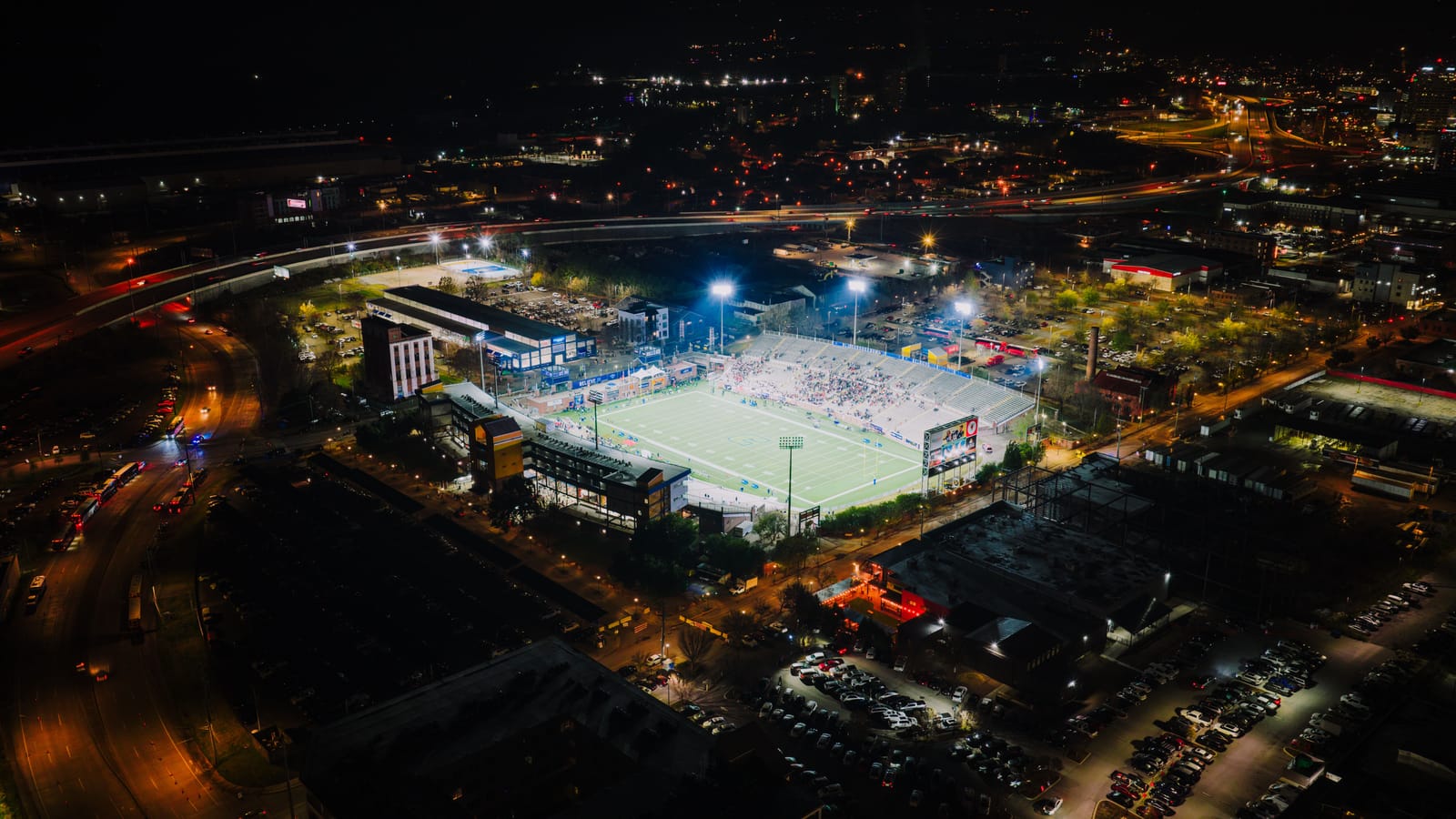
Geofencing begins where the menus stop. Instead of selecting a city, the advertiser draws a virtual boundary: a venue, a few blocks, a corridor, a polygon over a district or the office campuses of federal Washington. The platform observes which devices appear inside the fence during a chosen capture window and builds an audience from that presence. Ads can serve inside the fence in real time and, more usefully, follow the captured audience afterwards, typically for around 30 days.
Precision is the point, and it has edges. Specialist programmatic platforms accept custom polygons down to building scale, though political lanes can cap that precision, and one major search platform bars radius targeting for election ads altogether. Precision also carries a premium: tightly geofenced display runs around $8–18 CPM against $4–12 for standard programmatic display, with online video, connected TV and audio costing more per impression.
One boundary worth stating plainly: geofencing targets presence, not identity. Ads go to devices observed in a place, without knowing whose they are; addressable geofencing narrows this to households from a supplied address list, never to a named person. The full machinery, the methods and the rules that govern the political version have their own pillar guide; the commercial version of the practice, from store-visit campaigns to event capture, is covered in our geofencing marketing guide.
Geofencing vs geotargeting, compared
| Dimension | Geotargeting | Geofencing |
|---|---|---|
| How location is chosen | Picked from platform menus: cities, postcodes, media markets, a radius | Drawn as custom boundaries: venues, blocks, corridors, polygons |
| Precision | City, postcode or market scale; radius where the platform allows it | Down to building scale on specialist programmatic platforms; political lanes can cap it |
| Audience memory | None; reach ends when the flight ends | Captured devices can be retargeted afterwards, typically for around 30 days |
| Typical display CPM | Around $4–12 for standard programmatic display | Around $8–18 tightly geofenced; video, CTV and audio cost more per impression |
| Best for | Broad, sustained reach across a known area | Presence-based audiences: an event, a working core, a decision moment |
The CPM gap looks like an argument for geotargeting, and across a whole flight it often is. But cost per impression is the wrong lens on its own. A geofenced buy purchases fewer impressions against a far more specific audience, and it keeps that audience when the moment has passed. Judging the two on CPM alone is comparing a filter with an asset.
When to use which
Use geotargeting when the area is the audience. A statewide ballot argument, district-wide persuasion through a vote period, a recruitment push across the regions where an association’s members work: if everyone in the geography is a legitimate target and the job is reach and frequency, the menus do it at standard rates, across every channel at once.
Use geofencing when the moment or the venue is the audience. An industry conference, a fly-in, a hearing week in a capital’s working core: the place and the time select people no demographic menu can find, and the captured audience can be retargeted through the weeks that follow, as the decision approaches. No menu offers “was in the room”; a fence does.
Most serious campaigns run both. The standard advocacy build pairs a tight fence over the geography where decisions happen with geotargeting across the wider district or metro for reach, so the argument surrounds the captured audience rather than arriving once. As a planning range, a focused advocacy flight in one geography typically lands between $10,000 and $25,000 all-in, covering media, management and creative adaptation; sustained or multi-state programmes scale from roughly $50,000. The full budget anatomy is in our cost guide.
In the political lane, check the rules before the map. Platforms classify political and issue ads for extra handling: advertiser verification, creative review, a “Paid for by” disclosure and, on some platforms, limits on targeting precision. Review takes days, not hours, and it applies however location is chosen. Which platforms pair tight geographic tools with a formal political lane is its own buyer’s guide.
Where Morris McLane fits
Morris McLane runs both sides of this distinction as the digital execution layer behind communications and government relations firms: geotargeted reach across the districts and markets an issue lives in, and geofencing advertising where a venue, a working week or a decision moment demands precision. Boundary and audience planning, political pre-approval, creative adaptation across formats and reporting a firm can put in front of its client all sit within our digital advocacy practice. If your issue has a geography and a date, start here.
Frequently asked questions
Is geofencing the same as geotargeting?
No. Geotargeting is the standard location targeting every ad platform offers: choosing cities, postcodes, media markets or a radius from a menu, with delivery filtered in the moment and no audience kept afterwards. Geofencing draws custom boundaries, captures the devices observed inside them during a set window, and can keep reaching those devices afterwards, typically for around 30 days. Geotargeting reaches everyone in an area while it runs; geofencing builds a durable audience from presence in a place at a time.
Which is more expensive, geofencing or geotargeting?
Geofencing carries a precision premium. Tightly geofenced display runs around $8–18 CPM against $4–12 for standard programmatic display, with online video, connected TV and audio costing more per impression. Geotargeting itself adds no premium: it is a filter applied to standard inventory at standard rates. The comparison is not entirely fair to geofencing, though, because a geofenced buy also produces a retargetable audience, which a standard geotargeted buy does not.
Can you combine geofencing and geotargeting?
Yes, and most serious campaigns do. The common build pairs a tight geofence over the geography that matters most, such as a venue during an event or a capital's working core during a decision window, with broader geotargeting across the surrounding district or metro for reach and frequency. The fence supplies the high-value captured audience; the geotargeted layer keeps the argument visible to everyone else in the area while the campaign runs.
Is geotargeting allowed for political ads?
Yes, with limits that vary by platform. Platforms classify political and issue ads for extra handling: advertiser verification, creative review, a 'Paid for by' disclosure and, on some platforms, limits on targeting precision. One major search platform bars radius targeting for election ads altogether, leaving only its standard geographic units. Review takes days, not hours, so location targeting for political work has to be planned around the approval calendar, whichever method a campaign uses.