Geofencing Capitol Hill: how advocacy ads reach lawmakers and staff
The short answer
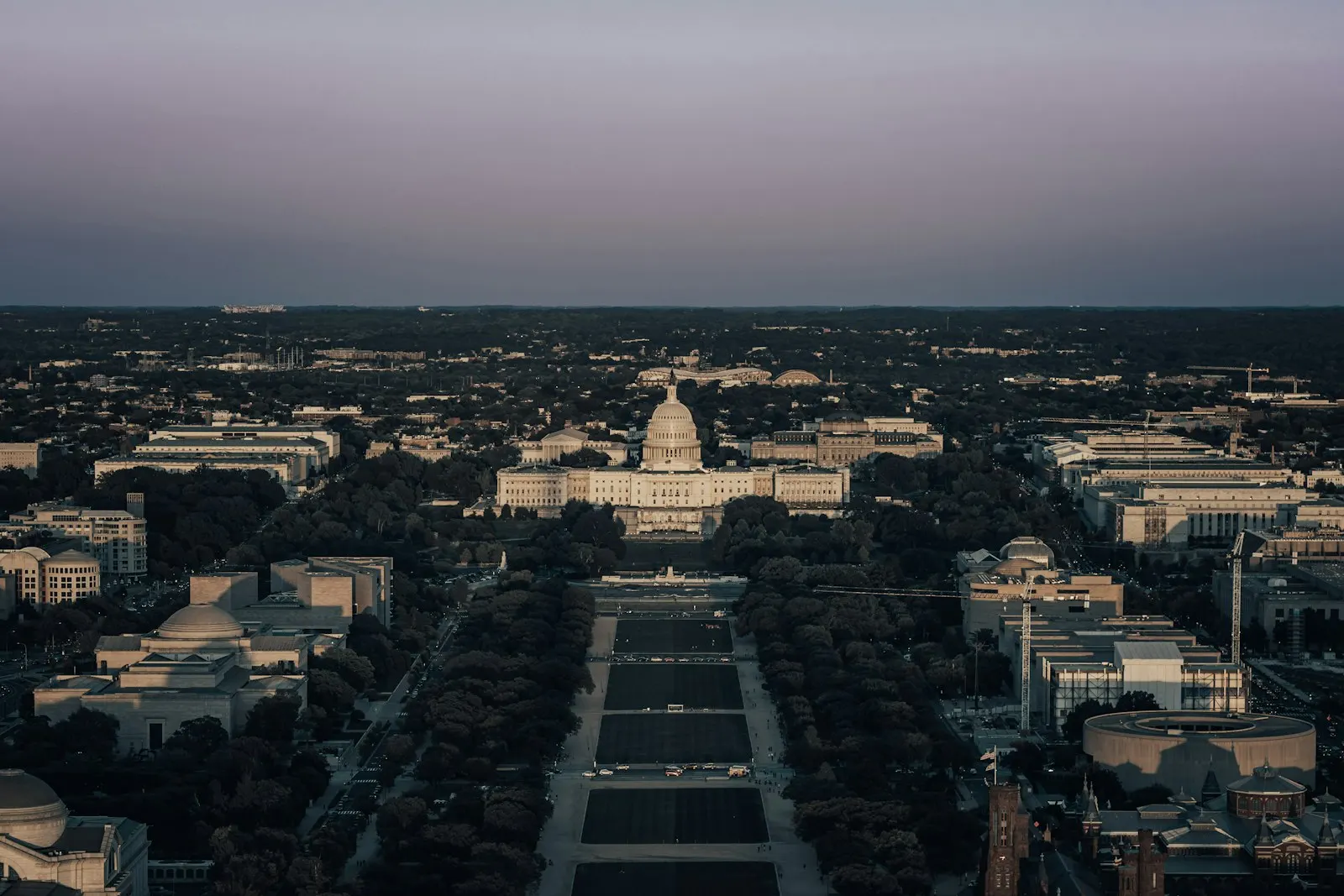
The people who shape a federal policy fight work, commute and live in a remarkably small patch of Washington. Geofencing that patch — serving ads to devices observed in the parts of the city where the policy community spends its days — is one of the most efficient plays in advocacy advertising, because the audience density does the targeting for you.
But the geography is the easy half. The campaigns that actually move an issue pair the geofence with the right moments, the right formats and a page worth citing.
What the targeting really is (and is not)
Geofencing does not identify anyone. A campaign draws boundaries around the areas of federal Washington where the policy audience concentrates — the office corridors of the Hill, the agency quarters, the commuter arteries that feed them — and the platform serves ads to devices seen inside those boundaries, with the option to keep reaching the same devices later, wherever they are.
That produces an audience heavy with members, staff, agency officials, journalists and advocates, without ever targeting a person. It also produces bystanders: tourists, contractors, residents. Campaigns accept that spill as the price of the density, and control it with context — layering the geography with placements on the policy press and news the audience actually reads.
Two boundaries are worth drawing carefully:
- The working core, where the audience spends the day. Tight, expensive per impression, unmatched for relevance during business hours.
- The wider district and metro, where the same audience lives, streams and listens. This is where connected TV and audio earn their keep in the evening and on the commute.
The moments that make the spend count
Attention on the Hill is calendar-driven. The same creative that disappears in a quiet week lands hard when the audience is preparing for a hearing on your issue. The flights that matter:
- Hearing and markup weeks, when staff are drafting questions and members are deciding what to say.
- Rulings and filing deadlines, when a decision reframes the issue overnight and the side that shows up first frames the reaction.
- Fly-ins, when your members are in town and the ads make the meetings feel bigger than the delegation.
- Comment windows, when the campaign’s job is to drive qualified submissions, not just impressions.
A useful discipline: plan the approval and creative first, the flight dates second. Political pre-approval on the platforms takes days, and a flight that misses its hearing week has missed the point.
Creative for a five-second audience
The Hill audience is professionally sceptical and short on time. What works is closer to an evidence brief than a consumer ad: one claim, one number, one source, the sponsoring coalition named plainly in the “Paid for by” line. The landing page matters more than usual, because this audience checks: a position page a staffer can skim in a minute and a journalist can quote is the difference between an impression and an effect. (How those pages should be structured is its own subject.)
What to measure
- Delivery inside the geography, verified, by format — not just gross impressions.
- Reach and completion on video and CTV among the target zones.
- Evidence-page visits from the target geography, which show the argument travelled beyond the ad.
- What the audience finds next: when staff search the issue after seeing the ad, the campaign’s framing should be present in the results and, increasingly, in AI answers. That last layer is where search and AI visibility joins the paid campaign.
A pickup report at the end of the flight puts delivery, engagement and downstream visibility in one document the lead firm can hand its client.
Where Morris McLane fits
Morris McLane plans and runs Hill-focused geo campaigns as the digital execution layer behind public affairs and GR firms: boundary and audience planning, political pre-approval, creative adaptation across display, video, CTV and audio, paid media flighted to the legislative calendar, and reporting built for a client meeting. The strategy and the relationship stay with the lead firm. The geofencing advertising service behind flights like these is set out in full on its own page. If your issue has a date on the calendar, start here.
Frequently asked questions
Can you really target ads at lawmakers and their staff?
Not as named individuals. What campaigns actually do is target geography and context: ads are served to devices observed in the parts of federal Washington where the policy community works and commutes, and on the news and policy sites that audience reads. Members and staff see the ads because they are in those places and read those publications, not because anyone targeted their identity.
Does geofencing the Hill actually work?
As one layer of a campaign, yes. The policy audience is dense in a small geography, which makes it unusually efficient to reach with location-based buying. What geofencing cannot do on its own is carry an argument: campaigns that work pair the geography with strong creative, a citable evidence page, and timing matched to a hearing or decision window.
When should a Hill-focused flight run?
Around the moments the audience is paying attention to your issue: hearing and markup weeks, the days around a ruling or filing deadline, a fly-in, or a comment window. A steady low-level presence keeps the issue familiar, but the spend should concentrate where the calendar concentrates the attention. Political pre-approval takes days, so the flight is planned before the moment arrives.
What formats reach the Washington policy audience best?
A mix. Display builds frequency through the workday; online video and connected TV carry the fuller argument in the evening; audio rides the commute; and sponsored placement on the policy press the audience already reads adds context that pure geography cannot. Creative discipline and a consistent 'Paid for by' disclosure hold the mix together.
Is it legal to run geofenced ads at government locations?
Running issue ads to a geography that includes government workplaces is lawful in the United States, subject to platform political-ad policies, advertiser verification and disclosure rules. What campaigns must not do is claim to identify or track individual officials, or use targeting categories platforms prohibit for political ads. Reputable campaigns keep targeting at the level of place and context and carry clear sponsor disclosure.