Addressable geofencing and IP targeting: reaching known households
The short answer
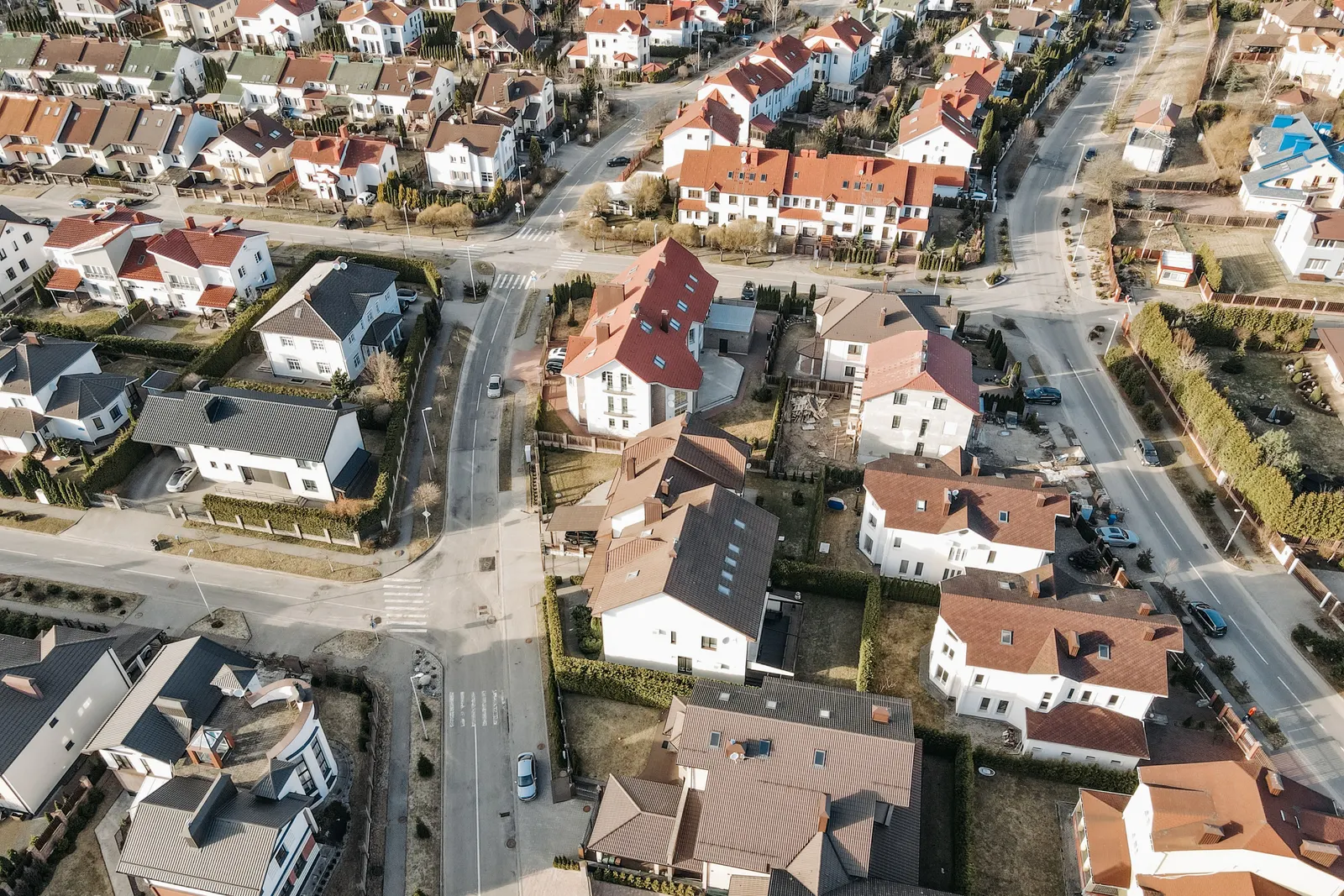
Addressable geofencing is location-based advertising that starts from a supplied list of street addresses, such as a member roll or a stakeholder file, resolves each address to its property boundary, and serves ads to the devices associated with each property. IP targeting reaches the same households another way: it maps the household internet connections behind those addresses and delivers ads over them directly, without cookies. Both methods turn a list an organisation already holds into an advertising audience, and both deliver to the household, never to a named person.
Most geofencing builds an audience from presence: whoever was observed inside a drawn boundary during a chosen window. Addressable methods invert that logic. The audience is known before the flight starts, because the client supplied it, and the campaign’s job is to reach it reliably. That makes this pair the household-level advertising layer of the geofencing family, and the natural tool for organisations whose most valuable audience already sits in a file.
How addressable geofencing works
The build runs in three steps.
The list. The client supplies street addresses: a member roll, a stakeholder file, a chapter directory. The platform resolves each one to its property boundary, so the audience is defined by geography rather than by any personal identifier the list happens to carry.
The match. Advertising platforms observe location signals from mobile devices and record which devices are associated with each property. Delivery goes to those devices and no further; addressable geofencing targets presence at a property, not identity.
The flight. Ads serve to the matched devices wherever they go, as display and online video on mobile in the first instance. Devices captured against the list behave like any geofenced audience: they can be retargeted afterwards, typically for around 30 days, so a long programme refreshes its matches rather than matching once.
This is mobile geofencing advertising at its most precise, and honesty about the mechanics matters. Coverage depends on devices actually being observed at each property, so a list never converts perfectly into an audience, and the method is strongest where the list is large enough to absorb the shortfall. Specialist programmatic platforms accept custom polygons down to building scale, which is what makes property-level boundaries possible at all; political lanes can cap that precision, which matters later.
How IP targeting works
IP targeting advertising starts from the same list but skips location observation altogether. Each address is mapped to the internet connection serving that household, and ads are delivered over that connection to the devices using it. No cookies are involved, which is the point: the method survives cookie loss because it never relied on cookies, and it does not depend on a phone passing by with location services enabled.
Two properties follow. First, persistence: where a geofenced capture decays, typically after around 30 days, IP-household targeting keeps delivering to a known list for as long as the flight runs. Second, format reach: because the household connection carries every screen in the house, the method works on connected TV and desktop, exactly where mobile location signals thin out. A household that never produces a location match can still meet the argument on the living-room screen.
The two compared
| Addressable geofencing | IP-household targeting | |
|---|---|---|
| Input | A supplied list of street addresses | The same supplied list of street addresses |
| How matching happens | Each address becomes a property boundary; devices observed at the property join the audience | Each address is mapped to its household internet connection |
| Persistence | Captured devices can be retargeted, typically for around 30 days | Persistent delivery to the known list for as long as the flight runs |
| Strongest formats | Mobile display and online video | Connected TV and desktop, where mobile location signals thin out |
| Best for | Reaching the people who move through each household, adding devices as they appear | Steady household-level frequency across longer flights |
In practice the two are complements rather than rivals. A flight against a supplied list will often run both: addressable geofencing to reach the mobile devices that move through each household, IP targeting to hold frequency on the bigger screens. The input is identical, the matching differs, and the formats divide the work — mobile for the geofenced match, the household screens for IP.
Where they fit in advocacy
Advocacy organisations hold exactly the raw material these methods need: member rolls, chapter lists, stakeholder files. Addressable methods turn those files from a mailing asset into an advertising audience, which changes what a decision moment looks like. When a vote, a hearing or a comment deadline approaches, a get-out-the-word flight can reach every member household with the ask, on phones through addressable geofencing and on televisions through IP targeting, rather than waiting on an email open.
As an illustrative build, not a description of any real engagement: a membership body facing a state-level vote supplies its member roll for that state, runs addressable geofencing against members’ devices in the weeks before the vote, and holds IP-targeted connected TV on the same households through the decision window.
One plain point on ownership: the supplied list is the client’s and stays theirs. It is an input to a campaign, not an asset the campaign acquires.
The political layer applies here as it does across the practice. Platforms classify political and issue ads for extra handling: advertiser verification, creative review, a “Paid for by” disclosure and, on some platforms, limits on targeting precision; one major search platform bars radius targeting for election ads altogether. Review takes days, not hours, so list-based flights are planned back from the decision date. The wider practice those rules sit inside, from venue fences to district polygons, is covered in our guide to political geofencing.
Costs, briefly
Addressable methods buy in the tightly geofenced lane: display runs around $8–18 CPM, against $4–12 for standard programmatic display, with online video, connected TV and audio costing more per impression. Precision carries a premium, and list-based precision sits inside it. At flight level, a focused advocacy flight in one geography typically lands between $10,000 and $25,000 all-in, covering media, management and creative adaptation, while sustained or multi-state programmes scale from roughly $50,000. List preparation adds lead time rather than media cost, which is one more reason these flights are planned back from the date that matters. The full anatomy of the number is in our guide to what geofencing costs.
Where Morris McLane fits
Morris McLane runs addressable geofencing and IP targeting as part of the geofencing advertising service it operates for communications and government relations firms: the digital execution layer that handles list matching, political pre-approval, creative adaptation across formats, and reporting a firm can put in front of its client. The strategy and the relationship stay with the lead firm, and the list stays with the client. If your file is ready and your issue has a date, start here.
Frequently asked questions
What is addressable geofencing?
Addressable geofencing is location-based advertising built from a supplied list of street addresses, such as a member roll or a stakeholder file. The platform resolves each address to its property boundary and serves ads to the devices associated with each property, as display and online video in the first instance. Delivery goes to devices associated with a property, never to a named person, and captured audiences can be retargeted afterwards, typically for around 30 days.
What is IP targeting advertising?
IP targeting advertising maps household internet connections from a supplied list of street addresses and delivers ads over those connections, without cookies. Because the household connection carries every screen in the house, it works on connected TV and desktop as well as mobile, and delivery to the known list is persistent rather than decaying like a geofenced capture. It suits organisations that hold an address file and want steady household-level frequency across a longer flight.
What is the difference between addressable geofencing and IP targeting?
Both start from the same input, a supplied list of street addresses, and both reach households rather than named people. Addressable geofencing matches devices observed at each property and follows them on mobile, with retargeting typically running for around 30 days; IP targeting maps each household's internet connection and delivers over it persistently, with particular strength on connected TV and desktop, where mobile location signals thin out. Most list-based flights run the two together rather than choosing between them.
Is household-level targeting privacy-compliant?
The methods are built to avoid identity. Geofencing targets presence, not identity, and addressable delivery goes to devices associated with a property, never to a named person; IP targeting maps household connections rather than individuals, without cookies. Platform rules still apply on top: political and issue ads are classified for extra handling, including advertiser verification, creative review, a 'Paid for by' disclosure and, on some platforms, limits on targeting precision. None of this is legal advice; organisations handling member data should take their own counsel on the laws that apply to them.
How much does addressable geofencing cost?
Tightly geofenced display runs around $8–18 CPM, against $4–12 for standard programmatic display, with online video, connected TV and audio costing more per impression, and list-based precision carries that premium. A focused advocacy flight in one geography typically lands between $10,000 and $25,000 all-in, covering media, management and creative adaptation, and sustained or multi-state programmes scale from roughly $50,000. List preparation adds lead time rather than media cost.