What Is Answer Engine Optimisation (AEO)? A Clear Guide
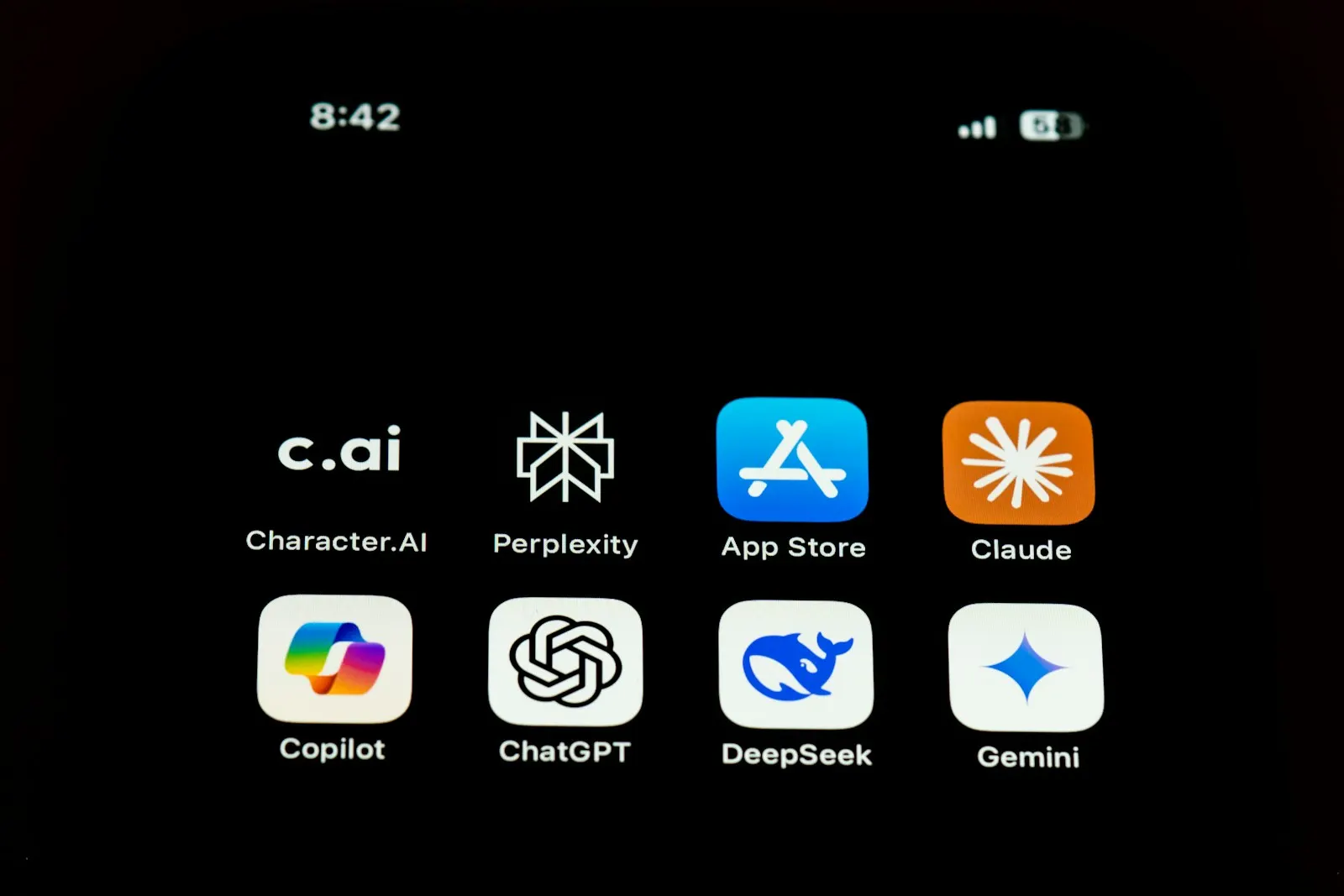
Ask a question today and you often get an answer, not a list of links. ChatGPT, Google’s AI Overviews, Gemini, Perplexity and Copilot all reply in a single synthesised paragraph. So do the featured snippets and voice assistants that came before them.
So what is answer engine optimisation? Answer engine optimisation (AEO) is the practice of structuring and corroborating your content so an answer engine retrieves it, trusts it, and surfaces it as the direct response to a question. The goal is simple: be the answer, not one result in a list.
An “answer engine” is any tool that returns a single, synthesised answer rather than a page of links. That includes the AI engines above, but also the featured snippets, “position zero” boxes and voice assistants — Alexa, Siri, Google Assistant — that predate the LLM era.
Up front, one thing worth saying plainly: AEO, GEO and the looser term “LLM SEO” largely describe the same discipline under different names. The rest of this guide explains where the term came from, what it covers, and how the labels compare.
Where the term “answer engine optimisation” came from
AEO is older than generative AI. It grew out of optimising for Google featured snippets (the “position zero” answer box) along with knowledge panels and voice search.
In all of those, the aim was already the same: be the single answer that gets read aloud or shown at the top, rather than one result among ten. Voice assistants made this especially stark. A smart speaker reads out one answer, not a list, so being that answer was the only thing that mattered.
Then LLM-based answer engines arrived. The goal did not change — be the answer, not a result — but it expanded to cover synthesised AI responses that pull from many sources at once.
That history is why the term is now used loosely across the industry. Buyers see AEO, GEO and LLM SEO used almost interchangeably, because each grew from the same root and points at the same outcome.

AEO vs GEO vs LLM SEO: what’s actually different
The three terms emphasise different things, but they converge in practice.
- AEO (answer engine optimisation) is framed around answering a question directly. Historically that meant snippets and voice; now it includes AI answers too.
- GEO (generative engine optimisation) is framed specifically around generative AI engines that synthesise and cite sources. You can read our guide to generative engine optimisation (GEO) for the sibling view.
- “LLM SEO” is the loosest of the three. It treats large language models as the new search surface and borrows the language of classic SEO.
The bottom line for buyers: the names differ, the discipline converges. Whatever you call it, the work is the same — measure your presence, accuracy and citation across answer engines, then improve them.
What AEO actually optimises for
There is no published formula, but the behaviour of the major engines is consistent enough to plan around. In practice, the content that gets lifted and attributed shares a few traits.
Direct, self-contained answers
A clear answer stated early on the page is far easier for an engine to lift and attribute than the same point buried deep in the text. Say the thing, plainly, near the top.
Structure a machine can parse
Descriptive headings, concise definitional sentences, lists, tables, clean semantic HTML and structured data all make a page easier to extract. You are writing for a reader and a parser at the same time.
Corroboration across independent sources
Engines are more confident about a claim that appears consistently in several places: your own site, third-party coverage and reference-source accuracy. Agreement across independent sources reads as truth.
Evident expertise and provenance
Named authors, dates, citations and a credible publisher all signal trust. These are the E-E-A-T signals search has rewarded for years, and answer engines lean on the same cues when deciding whose version of a fact to repeat.

Why AEO matters now — and the accuracy risk
A growing share of questions are now answered without a click to any website. This is the zero-click reality, and it changes what visibility even means: you can be the source of an answer the reader never traces back to you.
But presence is only half the story. Answer engines can state outdated or wrong facts about an organisation with full confidence. Google has been open that its AI Overviews synthesise rather than quote, which is exactly where errors creep in.
For a regulated business, a listed company or anyone in a contested situation, an authoritative-sounding but inaccurate AI answer is a reputational exposure in its own right. We cover the practical response in what to do when ChatGPT gets your company wrong.
The right frame is this: AEO is something to be measured and corrected, not set and forgotten.
How AEO fits with SEO, PR and reputation work
AEO does not replace SEO or PR. It sits between them and depends on both.
SEO keeps your own pages discoverable and well-structured, giving engines clean material to retrieve. PR earns the third-party corroboration that engines treat as trust. AEO points both at a new target: not a ranking position, but being the cited answer.
The teams that do this well stop treating the three as separate budgets. They treat them as one information environment, which is exactly how we approach it, as the digital execution layer that ties discoverability, earned coverage and answer-engine presence together. It connects directly to reputation management and to our AI search visibility programme.
How to measure AEO when there are no published rankings
The engines do not publish rankings, so measurement is by observation rather than a single score.
Run a fixed set of priority questions through each engine on a regular, structured cadence. Capture the answers and any citations, then track three things against a baseline: presence, accuracy and source coverage.
Weight your effort towards the engines whose answers matter most to your audience: the ones your buyers, candidates and stakeholders actually use. Spreading thin across all of them rarely pays.
One encouraging note: structural work compounds across model retraining cycles rather than resetting. Accurate sources, clean structure and a sound citation network carry forward each time a model re-ingests the web. The same principle applies to how machine learning shapes your reputation more broadly, and citation-first engines like Perplexity make the source layer visible in a way that rewards getting it right.
How Morris McLane runs this in practice
Theory is one thing; the execution is what moves an answer. Our AI search visibility programme treats AEO as a measured, repeatable operation rather than a one-off audit.
- Measurement across engines. We run your priority questions through ChatGPT, Google’s AI Overviews, Gemini, Perplexity and Copilot on a fixed cadence, logging presence, accuracy and the sources each engine cites, so you can see what the machines actually say about you, not what you hope they say.
- Source-layer corrections. Where an engine repeats an outdated or wrong fact, we trace it to the underlying sources models lean on and fix the record there, rather than arguing with the output.
- Citation-network building. We strengthen the independent corroboration engines treat as trust — clean structure and structured data on your own pages, plus accurate third-party and reference-source coverage on the issues that matter.
- Tracking the compound effect. Because structural work carries forward through retraining cycles, we monitor how presence and accuracy move over time against a baseline and reweight effort towards the engines your audience uses most.
The short version
AEO is the practice of structuring and corroborating content so an answer engine surfaces it as the direct answer to a question. It grew out of featured snippets and voice search, and now covers synthesised AI responses too.
AEO, GEO and LLM SEO are different labels for the same converging discipline. The work is to measure presence, accuracy and citation across the engines, then improve them — because being the answer is worth little if the answer is wrong.
If you want that measured and managed, that is what our AI search visibility programme is built to do.
Frequently asked questions
What is answer engine optimisation (AEO)?
Answer engine optimisation is the practice of structuring and corroborating content so that an answer engine (such as ChatGPT, Google's AI Overviews, Gemini, Perplexity or a featured snippet) retrieves it and surfaces it as the direct answer to a question. The goal is to be the answer, not just a link in a list. It covers both the older snippet and voice-search world and the newer generative AI engines.
Is AEO the same as GEO?
In practice they describe the same discipline. AEO (answer engine optimisation), GEO (generative engine optimisation) and the looser term 'LLM SEO' all aim to make a brand visible and accurately represented inside AI-generated and direct answers. The names emphasise different things — AEO the answer, GEO the generative engine — but the work converges.
Where did the term answer engine optimisation come from?
AEO predates generative AI. It grew out of optimising for Google featured snippets, knowledge panels and voice assistants, where the aim was already to be the single spoken or surfaced answer rather than one result among many. As LLM-based answer engines arrived, the term broadened to include synthesised AI responses.
How is AEO different from traditional SEO?
SEO optimises a page to win a position in a ranked list a person then scans. AEO optimises content so a machine can lift a clean, self-contained answer and present it directly, often with no click to your site. They share inputs (clear, authoritative, well-structured content) but reward different outcomes.
Which engines does AEO apply to?
The major answer engines: ChatGPT, Google's AI Overviews and featured snippets, Gemini, Perplexity and Copilot, alongside voice assistants. Each retrieves and cites sources slightly differently, so a sound programme weights effort towards the engines whose answers matter most to a given audience.
How do you measure AEO if engines don't publish rankings?
By observation. You run a fixed set of priority questions through each engine on a regular cadence, capture the answers and any citations, and track presence, accuracy and source coverage over time against a baseline. The discipline is structured rather than dependent on a single published score.
Can AEO fix inaccurate AI answers about my organisation?
Partly, and managing accuracy is a core part of the work. Because answer engines synthesise rather than quote, they can repeat outdated or wrong facts with confidence. AEO treats the engines' view of you as something to be measured and corrected by improving the accuracy of the sources models rely on.